
Why Some AC Systems Lose Cooling Accuracy After Years of Heavy Summer Use
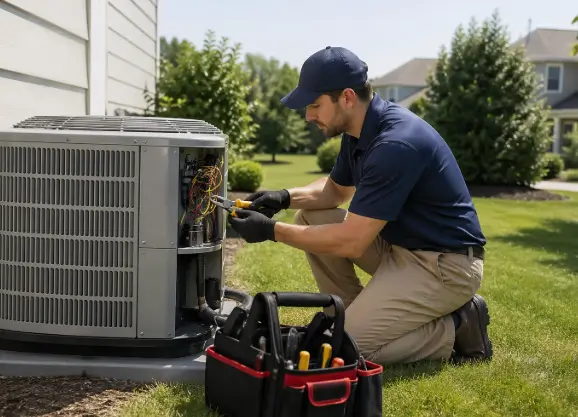
An air conditioner does not have to stop working completely to start losing accuracy. In many homes, the system still turns on, still blows cool air, and still lowers the temperature eventually. The problem is that it no longer cools with the same precision it once had. The house may feel uneven. The thermostat setting may not match how the rooms actually feel. One day, the home seems fine, and the next day it feels like the system is always a little behind.
This often happens after years of heavy summer use. Long cooling seasons put steady strain on every part of the system. Even if the air conditioner avoids major breakdowns, the small wear that builds up over time can slowly reduce how accurately it controls comfort. The result is not always dramatic at first. It may start with longer cooling cycles, weaker room balance, slower response to thermostat changes, or a home that never feels quite as settled as it used to.
Accuracy in cooling means more than reaching a number on the thermostat. It means the system can respond at the right time, move the right amount of air, remove heat consistently, and create comfort that feels stable across the home. Once that accuracy begins to fade, daily comfort becomes harder to trust.
Understanding why this happens can help homeowners recognise the early signs before the system slips further.
Cooling Accuracy Depends on More Than Cold Air
A lot of people judge the air conditioner by one simple test. They put a hand near the vent and ask whether the air feels cold. That tells part of the story, but not all of it. A system can still blow cool air and still lose cooling accuracy.
Accuracy depends on several things working together:
- The thermostat sensing conditions correctly
- The system turning on and off at the right times
- Airflow reaching rooms consistently
- The indoor coil removing heat effectively
- The blower moving enough air
- The return side bringing indoor air back properly
- The duct system delivering air with minimal loss
When the system is newer or in stronger condition, those parts tend to work together more smoothly. After years of heavy summer use, small losses in each area can add up. The AC still cools, but it stops cooling with the same balance and timing.
Heavy Summer Use Wears the System Down Gradually
Summer does not damage an air conditioner all at once. The strain builds slowly through long run times, high outdoor temperatures, dust exposure, and repeated start up cycles. The home may depend on the AC every afternoon, every evening, and often overnight too. Over the years, that steady demand has changed how the system performs.
This kind of wear shows up in ways such as:
- Components taking longer to respond
- Airflow dropping a little at a time
- Cooling cycles becoming less consistent
- Small room imbalances becoming easier to notice
- The system running more often to achieve the same result
Because the decline is gradual, many homeowners do not notice it right away. They adjust the thermostat, close blinds more often, or assume the weather is simply harder on the house than it used to be. In reality, the AC may be losing its ability to cool with the same precision it once had.
Thermostat Accuracy Can Drift With Time
One of the first places cooling accuracy can fade is at the thermostat. A thermostat is supposed to read the surrounding temperature and tell the system when to cool. That sounds simple, but even a small drift in sensing or control can affect the whole home.
After years of use, homeowners may notice things like:
- The thermostat says the house is cool, but the rooms do not feel right
- The system starts later than expected
- The AC shuts off before the house feels comfortable
- The cooling cycles seem inconsistent from day to day
Sometimes the thermostat itself is the problem. Other times, the thermostat is only exposing a larger issue in airflow or system response. Either way, once the home stops feeling aligned with the thermostat setting, cooling accuracy is already slipping.
Airflow Loss Makes Cooling Feel Less Precise
Accurate cooling depends on steady airflow. The system has to move enough conditioned air into the home and pull enough indoor air back through the return side. After years of summer operation, airflow often weakens little by little.
This can happen because of:
- Dirty blower components
- Filter issues
- Dust buildup in ducts
- Return restrictions
- Duct leaks
- Wear in moving parts that affect air delivery
Once airflow drops, the system loses some of its ability to cool rooms evenly. The hallway may feel fine while the bedroom stays warm. The living room may cool faster than the office. Homeowners often describe this as the AC becoming less accurate because the home no longer responds in a consistent way to the same thermostat setting.
Coils Lose Performance With Time and Dirt
The indoor and outdoor coils play a major role in how accurately the system removes heat. The indoor coil pulls heat from the air inside the home. The outdoor coil releases that heat outside. If those surfaces collect dirt or lose efficiency over time, the system can still cool, but not as sharply or as steadily.
This often shows up as:
- Longer cooling cycles
- Slower recovery after the house heats up
- A home that feels warmer in the late afternoon
- Cooling that seems less effective on very hot days
The homeowner may think the system simply cannot keep up with the weather anymore. In some cases, the issue is not only the weather. It is the system losing some of its heat handling accuracy because the coils are no longer performing the way they once did.
Duct Aging Changes Room to Room Cooling Balance
A lot of homes experience cooling accuracy problems because the duct system changes over time too. Duct materials can loosen, leak, collect debris, or shift enough to affect air delivery. This does not always create an obvious failure. More often, it slowly changes how much cooling each room receives.
That can cause patterns like:
- The same back room always warming up first
- The front room cooling quickly while other spaces lag behind
- Bedrooms feeling less comfortable at night than they used to
- More noticeable hot and cold differences across the house
The air conditioner may still be doing its job at the unit itself. The problem is that the cooled air is no longer reaching the home with the same accuracy it once had.
Return Air Problems Make the System Less Responsive
A cooling system needs a strong return path to pull indoor air back through the system. If the return side becomes restricted or less effective, the AC can lose some of its accuracy even if the supply side still blows cold air.
This can make the house feel:
- Staler during long cooling cycles
- Slower to respond after doors open or people gather
- Uneven from one room to another
- Comfortable in central areas but less so in closed rooms
Return problems often become more noticeable after years of use because small weaknesses in circulation have had time to build. The home may have always had a slightly weak return setup, but as the rest of the system ages, that weakness becomes easier to feel.
Controls and Electrical Wear Affect Timing
Cooling accuracy also depends on timing. The AC has to start correctly, run smoothly, and respond without hesitation. After years of heavy summer use, electrical parts and controls may begin to wear down. They may still function, but not with the same reliability.
This can affect:
- How quickly the system starts
- How consistently it cycles
- How smoothly it responds to thermostat demand
- How stable the cooling performance feels throughout the day
These are not always dramatic failures. They may feel more like an inconsistency. One day, the house cools normally. The next day it seems slower. A homeowner may not see this as an electrical issue. They often describe it as the AC “not feeling as accurate” or “not cooling as predictably” as before.
Long Daily Cooling Cycles Expose Weakness Faster
Years of summer use matter because cooling cycles get long in hot weather. The longer the system runs each day, the easier it becomes to notice small drops in performance. A system that has lost some airflow, coil performance, or control accuracy may still seem fine on mild days. On the hottest days, the weaknesses become clearer.
This is why homeowners often notice things like:
- The AC used to catch up faster in the evening
- The house used to feel cooler by bedtime
- The same thermostat setting does not feel the same anymore
- The system now seems more sensitive to outdoor heat than it used to be
Heavy use does not always cause immediate failure, but it does expose every small weakness in the system’s ability to maintain accurate comfort.
See also: Understanding the Challenges and Opportunities of International Business Payments
Indoor Heat Loads Become Harder to Manage
As systems age, they often become less capable of handling normal indoor heat with precision. Cooking, laundry, showers, electronics, lighting, and people moving through the house all add heat inside. A newer or stronger system can usually absorb those daily changes more smoothly.
A system that has lost cooling accuracy may struggle more with:
- Evening kitchen heat
- Home office electronics
- Warm rooms after laundry or showers
- Occupied rooms that heat up quickly
This can make the home feel more reactive. Instead of staying steady, it swings more based on daily activity. That is another sign that the system is losing the fine control it once had.
Homeowners Often Compensate Without Realizing It
One reason this problem can continue for so long is that homeowners adapt to it. They lower the thermostat more often. They use ceiling fans more. They avoid certain rooms at certain times of day. They close blinds earlier. They may think they are simply adjusting to summer, but they are often adjusting to a cooling system that no longer controls comfort as accurately as it used to.
These habits can hide the problem for a while. Still, the underlying loss of performance continues. The home becomes less naturally comfortable, and the people living in it do more and more to compensate.
Signs Cooling Accuracy Is Slipping
Several patterns can suggest the system is losing cooling accuracy after years of heavy summer use:
- The thermostat setting feels less reliable than before
- Certain rooms are harder to keep comfortable
- The house takes longer to cool in the evening
- Cooling cycles feel longer or less predictable
- Airflow seems weaker in parts of the home
- The home feels slightly uneven even when the AC is running
- Indoor heat from daily activity affects comfort more than it used to
These signs do not always mean the same exact problem, but they often point to a system that is no longer controlling the indoor environment with the same precision.
Why This Matters Before a Full Breakdown
A loss of cooling accuracy is often an early stage of larger trouble. The system may still run, but it is giving clear signs that performance is drifting. Waiting until a full breakdown happens can leave the homeowner dealing with more discomfort and fewer options.
Paying attention to how the house feels now can help identify whether the system is simply aging normally, needs repair attention, or is moving toward a bigger decline in overall performance.
Accurate Cooling Is About Stability
At its best, an air conditioner creates stable comfort. The home feels predictable. Rooms respond in a balanced way. The thermostat setting matches what people actually feel. Daily heat from weather and normal household activity does not throw comfort off so easily.
After years of heavy summer use, that stability can fade. The system may still cool, but it no longer cools with the same accuracy. The home becomes harder to manage, more uneven, and less dependable in the moments when comfort matters most.
That is why cooling accuracy matters. It is one of the clearest ways a home tells you the air conditioner is aging in performance, even before it stops working outright.